
Wear Life of Advanced Wear Materials:
If you work in equipment design, maintenance, or parts selection, wear life is never just a material property on a datasheet. It is the result of abrasion, impact, temperature, geometry, and how well a material matches the job in front of it.
Tool steel, high chrome white iron, tungsten carbide, and laser sintered 3D printed parts each offer different answers to the same problem: how do you keep surfaces alive under punishing conditions?
This post compares their typical wear resistance, key strengths, trade-offs, and best-use scenarios so you can make a more informed engineering choice.
Tool Steel: The Versatile Baseline
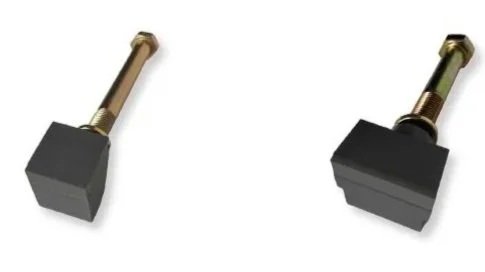
Tool steel is often the most flexible starting point because it balances hardness, toughness, machinability, and cost. In wear applications, its performance depends heavily on the grade and heat treatment. Properly hardened tool steels can deliver solid abrasion resistance, but they usually do not match the extreme wear life of carbides or high-chromium white irons in the harshest environments.
Its biggest strength is damage tolerance. Where impact, shock loading, or moderate abrasion coexist, tool steel can outperform harder but more brittle materials because it is less likely to crack or chip. That makes it a strong choice for dies, blades, forming tools, fixtures, and wear parts that must survive repeated mechanical abuse.
The trade-off is that wear life can vary widely. A poorly heat-treated tool steel component may fail early, while a well-designed, surface-treated, or nitrided tool steel part can last much longer. For many industrial applications, it is the most practical middle ground rather than the longest-lasting option.
Best use: moderate abrasion, impact loading, repairable components, and applications where toughness matters as much as wear resistance such as hog hammers
High Chrome White Iron: Excellent Abrasion Resistance with limited impact
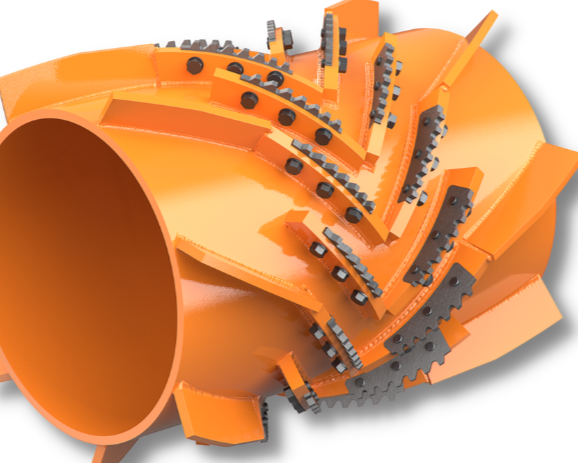
High chrome white iron is built for abrasive environments. Its hard carbide-rich structure gives it strong resistance to sliding wear and particle erosion, especially in pumps, slurry-handling systems, chute liners, and crusher components. When abrasion dominates the failure mode, it can deliver much longer wear life than standard steels.
The downside is brittleness. High chrome white iron does not tolerate impact or flexing well, so it is best used where the loading is relatively stable and the wear mechanism is predictable. If the part sees repeated shock, edge loading, or vibration, cracking can become the limiting factor long before the material is worn away.
In practice, this material shines when the goal is to resist gouging, sliding abrasion, and slurry wear. It is less attractive when operators need a forgiving material that can bend, absorb impact, or be machined easily after casting.
Best use: high-abrasion, low-impact service such as slurry pumps, wear plates, and mill components such as “Webco Traction Pro” feed rolls
Tungsten Carbide: Extreme Wear Life for the Right Conditions
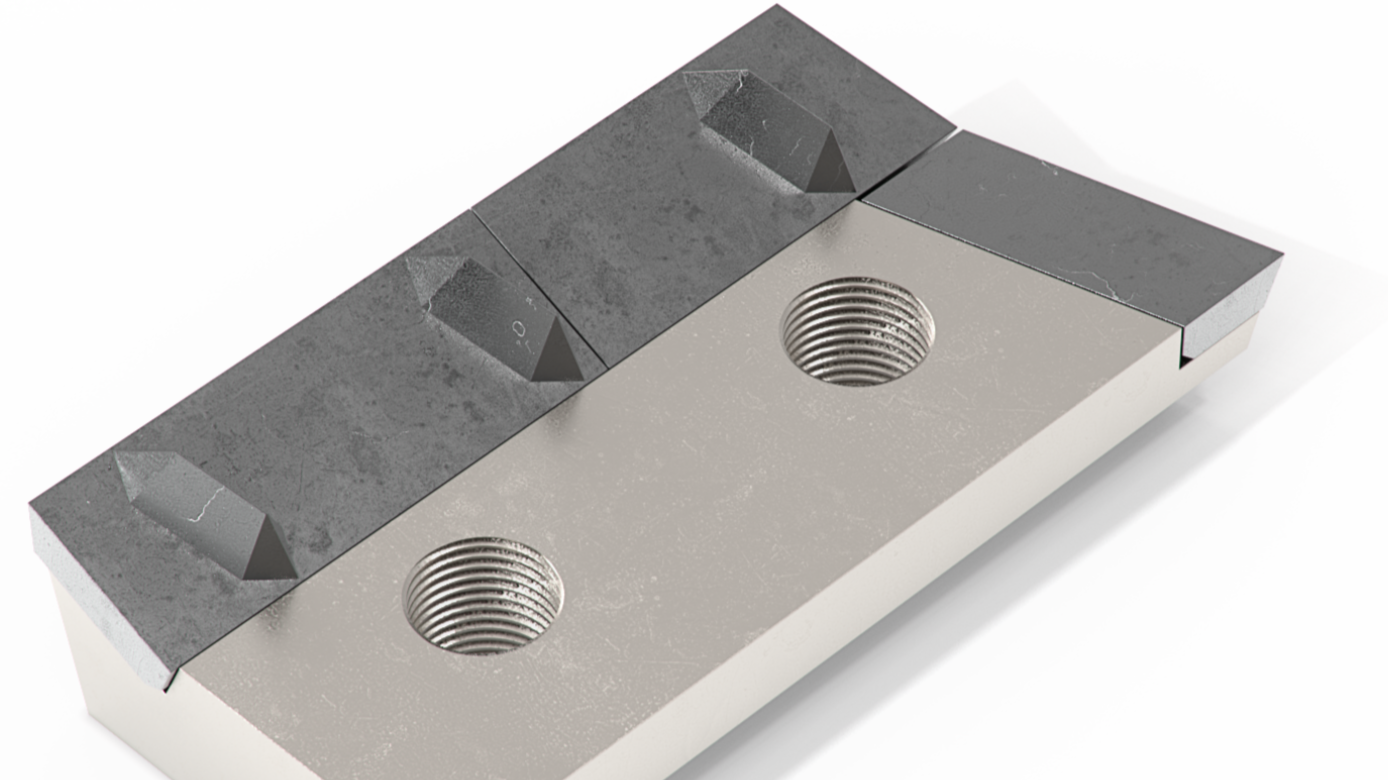
Tungsten carbide is the standout when pure wear resistance is the priority. Its hardness is dramatically higher than that of tool steel or white iron, which is why it is widely used in cutting tools, seal faces, nozzles, valves, drilling components, and high-wear inserts. In a controlled environment, it can provide exceptional service life.
But tungsten carbide is not a universal answer. It is hard, dense, and expensive, and it can be brittle depending on grade and binder content. That means design details matter. If the component sees impact, misalignment, or thermal shock, the part may fail by fracture rather than gradual wear.
The wear-life advantage is most convincing when the material is used as a focused wear surface rather than a full structural part. In other words, tungsten carbide works best where you can localize the wear zone and protect it from abusive loading.
Best use: severe abrasion, precision wear surfaces, and applications where maximum life justifies the cost. Debarker tips are a excellent use for tungsten carbide inserts
Laser Sintered 3D Printing: Design Freedom Over Raw Wear Performance
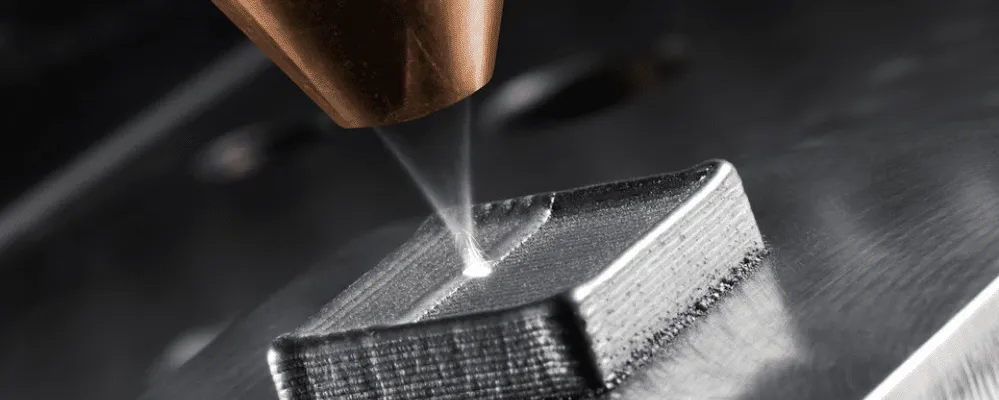
Laser sintered 3D printing is different from the other three because it is a manufacturing route, not a single material. Its wear life depends on the alloy or polymer used, the process settings, post-processing, and part geometry. That flexibility is the point: you can create complex wear features, conformal channels, lightweight structures, and replacement parts that would be difficult or impossible to make conventionally.
For wear performance, laser sintered parts usually do not beat optimized carbide or high-chrome castings on a pure abrasion basis. However, they can be the best solution when geometry, lead time, or part consolidation is the real constraint. A wear part that is precisely shaped for the load path may last longer in service than a stronger material with poor geometry.
Best use: customized wear components, low-volume spares, rapid prototyping, lightweight designs, and parts that benefit from integrated geometry rather than maximum hardness alone.
How They Compare in Real Engineering Terms
The right choice usually comes down to the failure mode, not just hardness.
Tool steel — best when you need a balanced mix of toughness, manufacturability, and moderate wear resistance.
High chrome white iron — best when abrasion is severe and impact is limited.
Tungsten carbide — best when maximum wear resistance is worth the cost and brittleness can be managed.
Laser sintered 3D printing — best when design freedom, speed, and part integration matter as much as wear life.
Practical rule: if the part breaks from impact, choose toughness first; if it disappears from abrasion, choose hardness first; if the geometry drives the problem, consider additive manufacturing first.
Conclusion: Match the Material to the Failure Mode
There is no single winner across all wear applications. Tool steel offers the most balanced engineering option, high chrome white iron excels in severe abrasion, tungsten carbide delivers the highest wear resistance in the right setting, and laser sintered 3D printing opens up new design possibilities when conventional manufacturing limits the solution.
If you want a practical next step, start by identifying the dominant wear mechanism in your machine, then compare material choice against impact, temperature, cost, and repair strategy. That process will usually lead to a better answer than chasing hardness alone.
Call to action: review one current wear part in your operation and ask a simple question — is it failing from abrasion, impact, or poor geometry? The answer will point you toward the right material much faster than any generic recommendation.